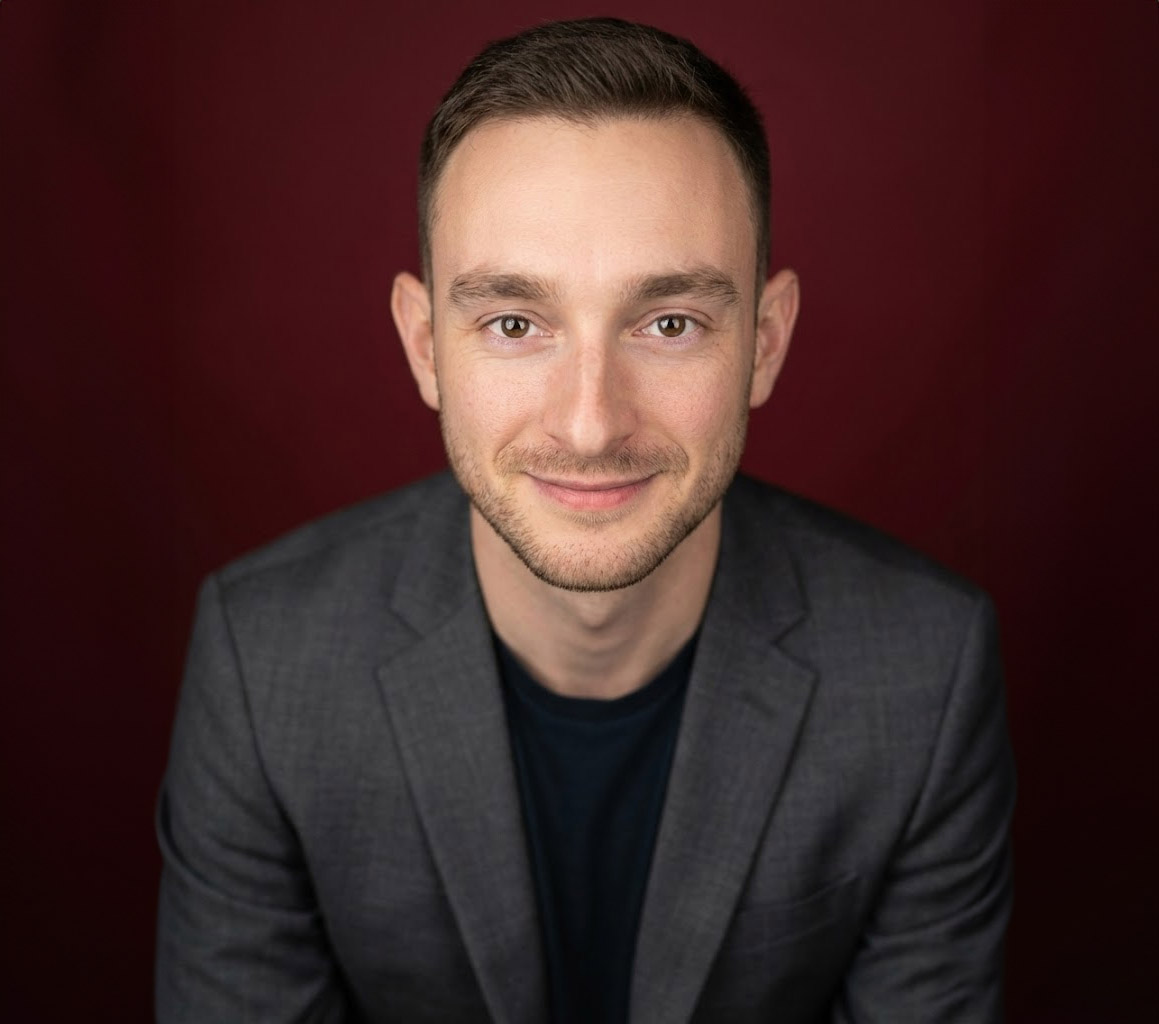
George Santos is no longer welcome on Kalshi. The prediction-market exchange permanently barred the former U.S. Representative, marking its first lifetime ban, after compliance staff concluded he had traded contracts tied to his own attendance at the State of the Union address.
Kalshi filed a notice of settlement of disciplinary action on Monday, according to The Block. The fine: just over $71,000. “The Kalshi Compliance Department has established reasonable cause to believe that George Santos engaged in trading activity in certain markets related to his attendance at the State of the Union address,” the notice stated.
The upshot is that a federally regulated prediction market used its own rulebook to expel a trader accused of self-dealing. Expect the industry to foreground that fact as lawmakers weigh tighter insider-trading curbs on the sector.
This ban follows a separate July settlement between Santos and the Commodity Futures Trading Commission, which asserts jurisdiction over prediction markets. The CFTC said Santos used Kalshi trades to influence the outcome of his State of the Union bet and ordered him to pay $35,000. He neither admitted nor denied the agency’s findings.
Two weeks before the address, Santos made public statements on whether he would attend. The price of the event contract moved “significantly,” the CFTC said. His counsel, Joseph W. Murray, said at the time that Santos had cooperated with the agency and that the State of the Union was the first time he had ever placed a bet on a prediction market. Murray said Santos booked hotel and airline reservations to Washington because he believed he was attending.
That explanation sidesteps the CFTC’s core contention: the public statements themselves moved the market he was betting on.
Santos represented a New York district in Congress from January 2023 until his expulsion at the end of that year, following a House Ethics Committee investigation into misconduct. A lifetime platform ban carries no direct legal consequence beyond exclusion from Kalshi’s order book. It lands, though, as prediction markets face sustained scrutiny over insider access, with billions in open interest now at stake.
Santos is not the only case this month. On Friday, the CFTC ordered Gabriel Perez, a former White House teleprompter operator, to pay more than $172,000 to settle charges that he used advance access to President Trump’s speeches to profit from “mention markets” on Kalshi. In April, the Justice Department arrested an active-duty Army soldier for using confidential information to place bets on Polymarket ahead of former Venezuelan President Nicolás Maduro’s capture earlier in 2026.
Lawmakers have introduced several bipartisan bills to restrict trades by people with access to non-public information. None has passed into law. Kalshi and Polymarket have responded with mandatory employment verification for traders in sensitive markets and other safeguards. The Santos action, however, is the first time Kalshi has escalated to a permanent ban.
Whether that proves the sector can police itself, or simply marks the first case serious enough to force its hand, is a distinction regulators have yet to weigh in on.