The Talent Migration
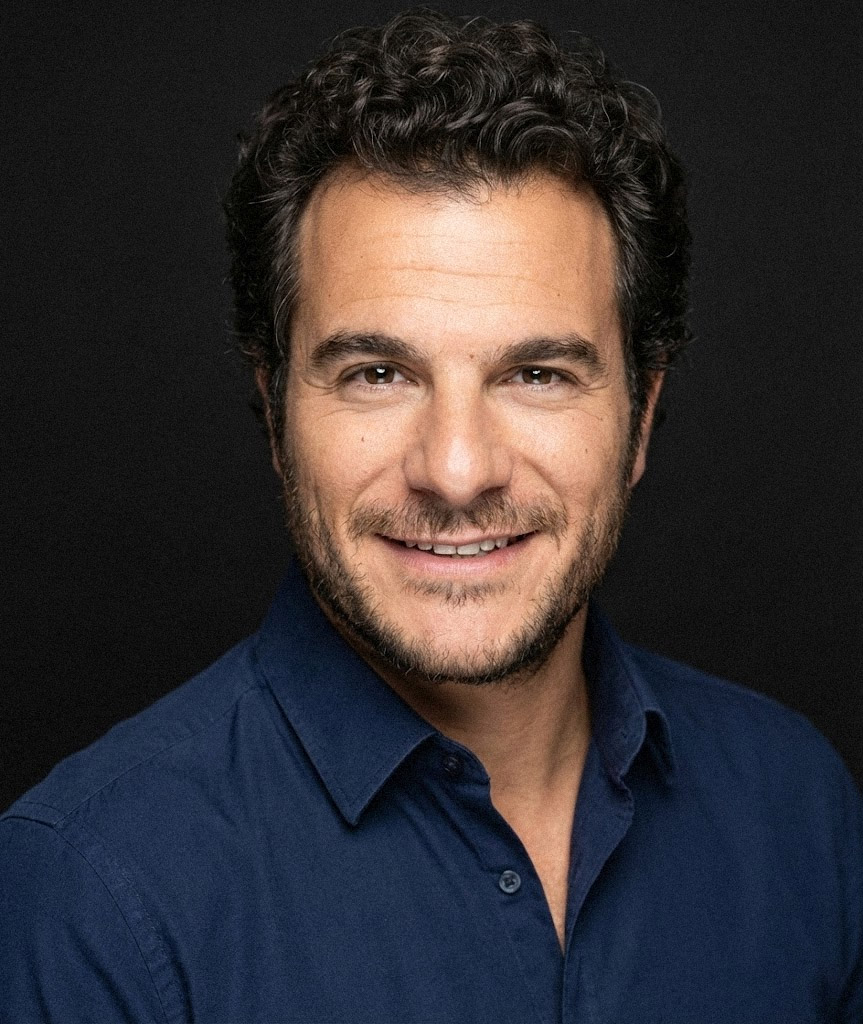
The architects of onchain social are leaving the timeline for the bank account. Farcaster co-founders Dan Romero and Varun Srinivasan confirmed Monday they have joined Tempo, a stablecoin-focused blockchain startup valued at $5 billion.
The move comes barely three weeks after infrastructure provider Neynar acquired the Farcaster protocol, effectively closing the chapter on Merkle Manufactory’s direct stewardship of the network. Romero, a former Coinbase VP, described stablecoins as a “generational opportunity” in his announcement, signaling a stark shift in focus from decentralized media to global settlement layers.
Tempo is not a scrappy upstart. Incubated by Stripe and Paradigm, the network is purpose-built for payment throughput, boasting design partnerships with Visa and Shopify. The recruitment of Romero and Srinivasan, who spent five years battling the “chicken-egg” problem of decentralized social, suggests Tempo is moving from infrastructure build-out to aggressive user acquisition.
The $180 Million Refund
The transition is marked by a financial anomaly in the venture world: a refund. Merkle Manufactory is returning approximately $180 million to investors, including a16z crypto and Paradigm. This capital, originally raised to scale Farcaster, was left unburned as the team opted to hand protocol maintenance to Neynar rather than force a monetization model that might strangle the ecosystem.
Stablecoins are a generational opportunity. I’m excited to work with Matt Huang, Georgios Konstantopoulos and the rest of the team to make them mainstream.
Neynar now controls the Farcaster protocol contracts, the Warpcast client, and the AI-token launchpad Clanker. For the community, the governance shift is absolute: the protocol is now run by its most dominant infrastructure provider, while its founders chase the trillion-dollar stablecoin market.
Institutional Context
This pivot underscores a broader market reality: while social protocols struggle with retention, stablecoins have found product-market fit. Tempo’s ability to attract top-tier talent from the “social” stack indicates that major backers (Paradigm, Stripe) are consolidating resources around payments infrastructure as the next immediate driver of crypto adoption.