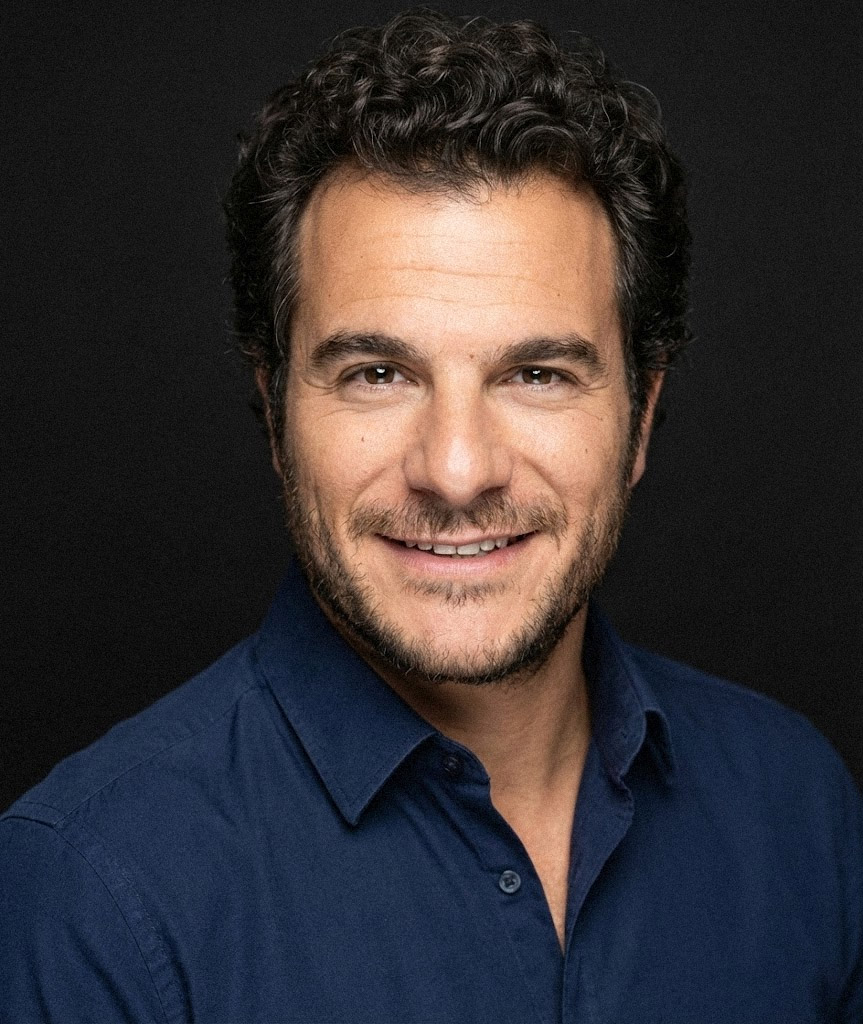
El Salvador’s treasury strategy has evolved from a pure Bitcoin bet into a broader hard-money play. The Central Reserve Bank (BCR) purchased 9,298 troy ounces of gold on Thursday, a $50 million acquisition that brings the nation’s total bullion reserves to 67,403 ounces, now valued at approximately $360 million.
President Nayib Bukele confirmed the move on X (formerly Twitter) with a characteristic lack of formality, posting:
“We just bought the other dip.”
The “Dual-Track” Treasury
The purchase marks a tactical shift for the administration. While the country continues its programmatic Bitcoin accumulation—adding 1 BTC daily—the expansion into physical gold suggests a hedging strategy against fiat currency volatility rather than a pivot away from crypto. With gold implied to be trading near historical highs around $5,340 per ounce based on the BCR’s valuation, the move aligns with a global trend of central banks dumping dollars for commodities.
The Institutional Context
This isn’t an isolated trade. Global central bank gold demand has exceeded 1,000 tons annually for three consecutive years, driven by de-dollarization efforts in the BRICS bloc. El Salvador is effectively mimicking this geopolitical maneuver while simultaneously front-running the same institutions on Bitcoin (currently trading near $88,000). By holding both, San Salvador is positioning its reserves to capture liquidity flows from both traditional risk-off investors and digital asset natives.
The market reaction was muted, with Bitcoin holding steady at $88,200 (+0.7%), suggesting traders view the gold buy as complementary rather than competitive to the nation’s crypto standard.