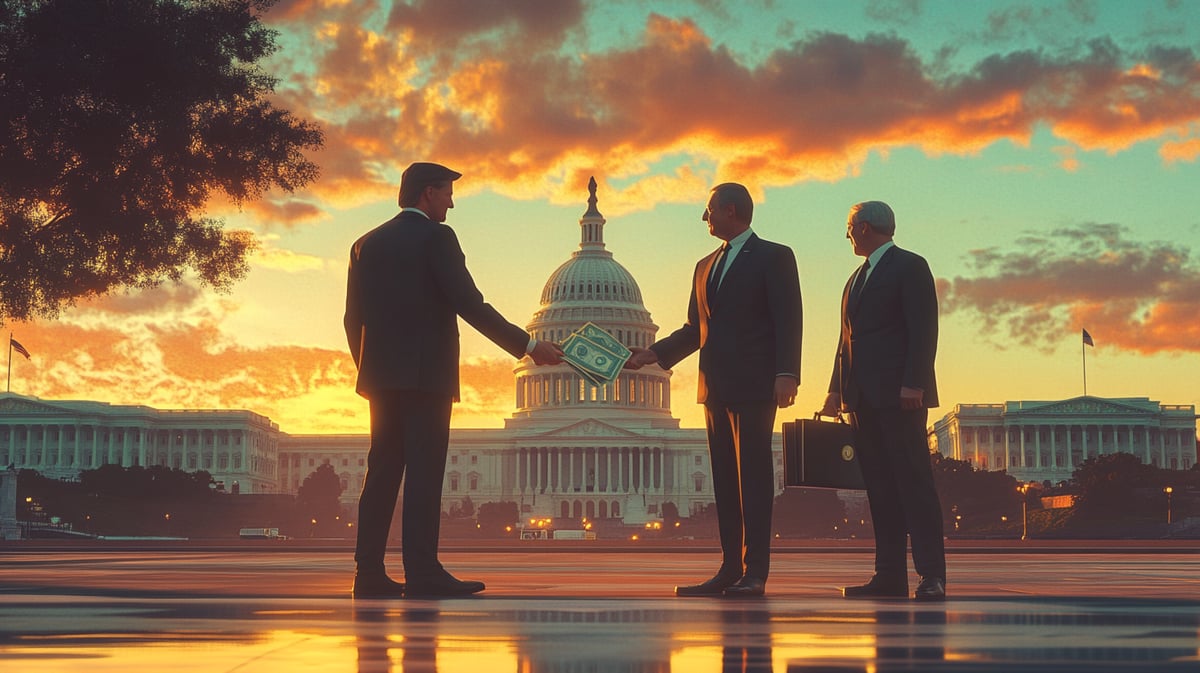
The crypto industry formally cemented its partisan pivot Monday. Federal Election Commission (FEC) filings released Friday confirm a fresh $21 million capital injection from industry leaders into Trump-aligned political action committees, signaling an aggressive start to the 2026 midterm cycle.
The filings reveal that Gemini co-founders Cameron and Tyler Winklevoss spearheaded the move, transferring approximately 188 Bitcoin (valued at $21 million at the time of transfer) to the newly established Digital Freedom Fund. This specific vehicle is explicitly designed to support candidates backing President Trump’s digital asset agenda, a sharp deviation from the industry’s historically bipartisan lobbying efforts.
Partisan Pivot confirmed
While the sector’s primary war chest, Fairshake, has amassed over $78 million for a bipartisan strategy, this $21 million tranche represents a direct bet on the Republican platform. The capital is earmarked for key Senate and House races that could determine congressional control in 2026.
“If the Republicans lose either the House or Senate in the midterms on Nov. 3, 2026, then Democrats will have power to slow down and interfere with President Trump's agenda,” Tyler Winklevoss wrote in a statement accompanying the initial pledge.
The donation structure, denominated in Bitcoin rather than fiat, forces the receiving PAC to manage treasury volatility, a rarity in political finance. The funds are reportedly allocated to push for a “Skinny Market Structure Bill,” legislation aimed at stripping away SEC oversight in favor of a commodity-based framework.
The Institutional Scale
This contribution brings the industry’s total midterm war chest to over $100 million when combined with Ripple and Coinbase’s recent injections into Fairshake. The sheer scale of early spending, 10 months before the first primaries, suggests crypto operators are moving to lock in regulatory gains before the legislative window closes.
Traders reacted mutedly to the news, with Bitcoin holding steady as the market had largely priced in the industry’s political entrenchment. The focus now shifts to how Democratic incumbents in swing states will respond to a fundraising machine that has explicitly targeted their removal.