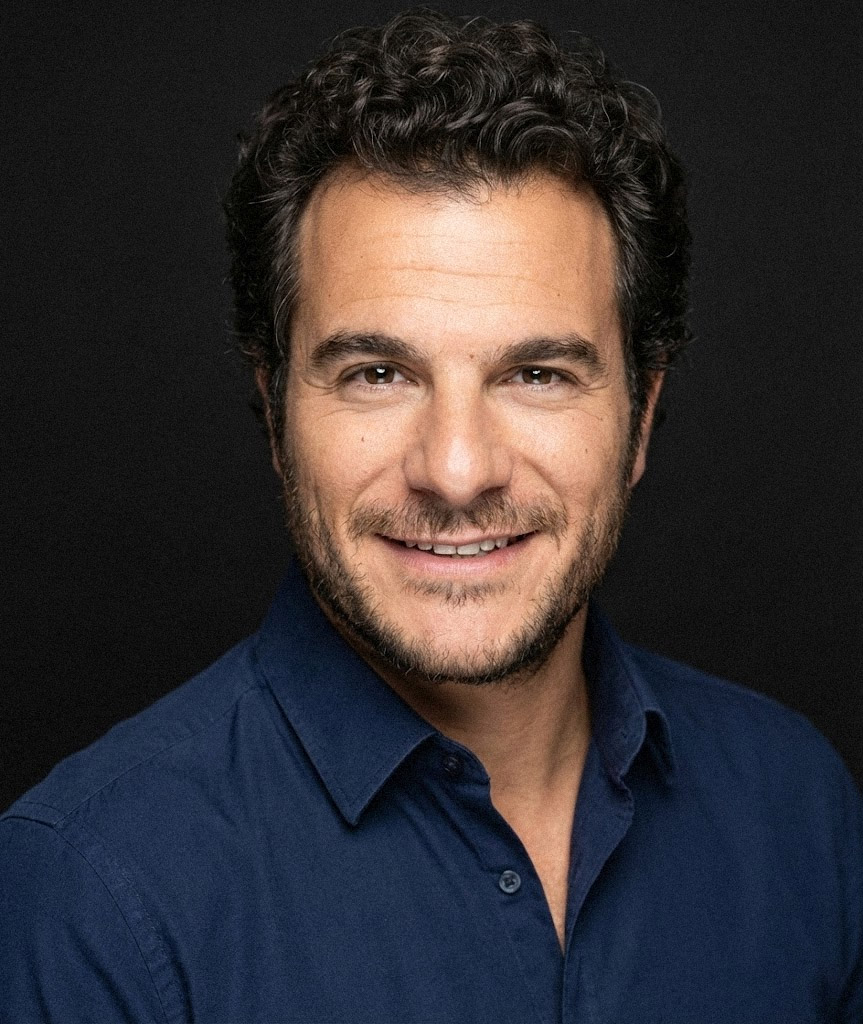
Ethereum co-founder Vitalik Buterin issued a New Year’s directive calling for a pivot back to the network’s original mission: becoming a censorship-resistant "world computer." In a broad address to the community, Buterin argued that the ecosystem must prioritize scalable privacy and genuine decentralization over short-term financial narratives like "ultra-sound money."
The ‘Walkaway Test’
Buterin introduced a hard metric for decentralization he terms the "walkaway test." The premise is binary: Can an application continue to function autonomously if its original development team and servers vanish overnight?
"They pass the ‘exit test’: even if the original developers disappear, the system continues to function… their stability transcends company booms and busts, ideological shifts, and changes in political parties."
This standard challenges the current crop of "decentralized" applications (dApps) that often rely on centralized sequencers or proprietary front-ends. Under this framework, a protocol is only truly decentralized if it survives the total collapse of its creators, a bar many top TVL protocols currently fail to clear.
Beyond ‘Number Go Up’
The address marks a strategic shift away from the deflationary economics that dominated the 2024-2025 cycle. While the "Merge" era focused on burning ETH to support price, Buterin explicitly deprioritized filling block space solely to "reshape ETH’s deflationary properties."
Instead, the 2026 roadmap demands scalable availability. Buterin cited the technical wins of 2025, specifically the expansion of "blobs" (data packets) and zkEVM (Zero-Knowledge Ethereum Virtual Machine) breakthroughs, as the foundation for this next phase. The goal is infrastructure robust enough to support identity verification and governance systems that are immune to state-level interference.
Market Reaction
The market response was muted, with ETH trading near $2,900 as traders digested the long-term technical focus against a backdrop of lower fee revenue. The shift suggests a year where protocol resilience will likely outweigh speculative mechanics in developer mindshare.